


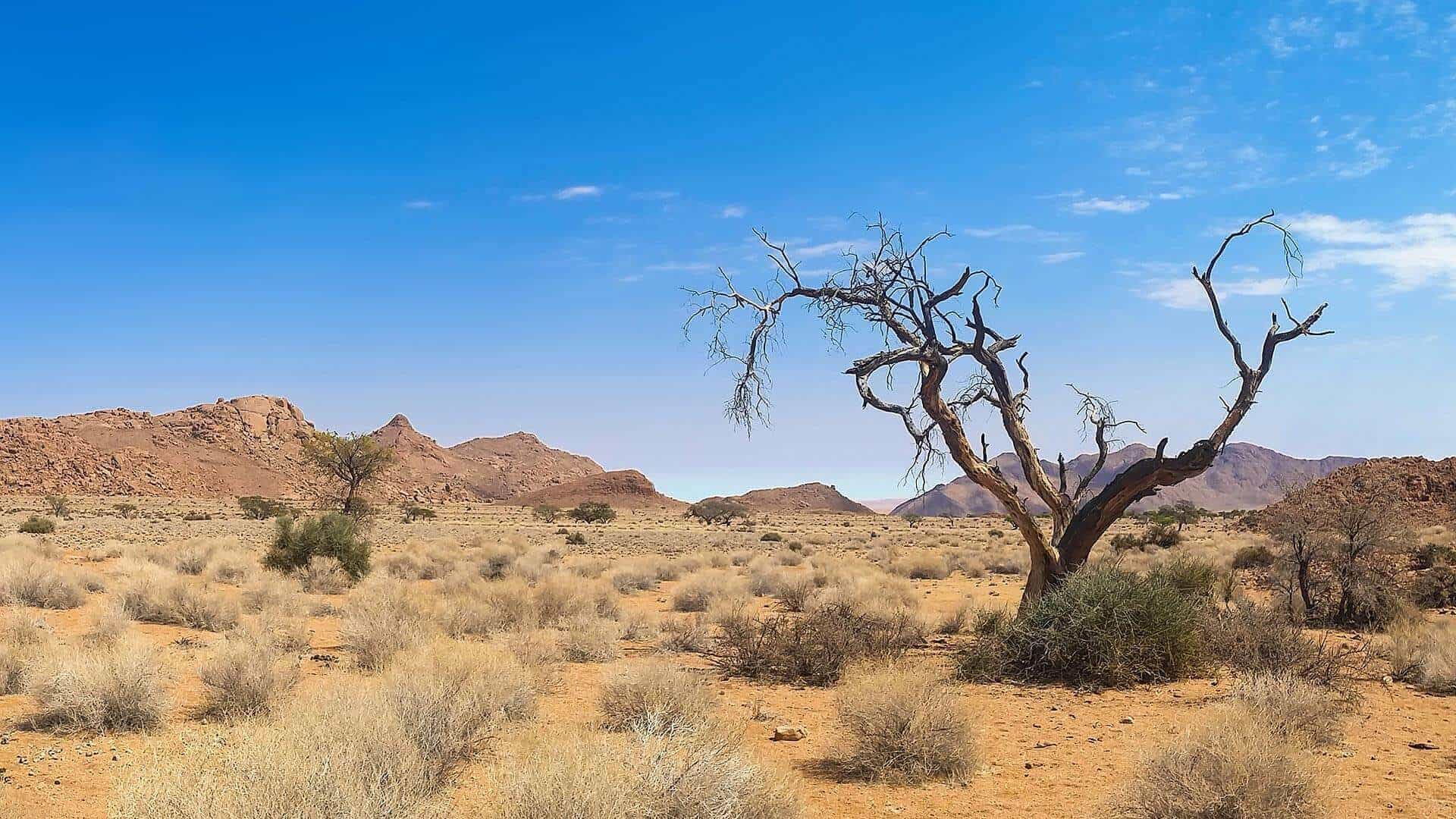
They abducted her only son and separated her from her husband. Then told her to go through the vast desert to find her husband in Medina should she wish! This is the story of Umm Salama, the first Muhajera for the sake of Allah and his Messenger.
A Woman of Strength and Nobility: Umm Salama
Umm Salama, Hind bint Abi Umayya, came from one of Quraysh’s most noble families. Her father, known as “Zad al-Rakib” (the provision of travellers), earned his title by generously providing for anyone traveling with him. She was the cousin of Khalid ibn Al-Walid and, ironically, of Abu Jahl, the Prophet’s fiercest enemies. Born 17 years before revelation, Umm Salama was not only beautiful but also highly respected for her lineage and character. Her wisdom and strength were qualities that set her apart, inspiring women across generations.
The Struggle for Faith: Migration to Abyssinia
In the fifth year of revelation, when the persecution in Makkah reached unbearable levels, Umm Salama رضي الله عنها and her husband Abu Salama made the difficult decision to undertake Hijrah to Abyssinia. The couple sacrificed all for their faith, finding temporary refuge in a land ruled by a just king. It was in Abyssinia that they had their first child! Despite the persecution they faced, the desire to return to Makkah never dimmed. They made the dangerous journey back, only to face renewed persecution and hostility.
Soon after, the call for Hijrah came again—this time to Medina. But the path to the Prophet ﷺ was not without trials.
A Heartbreaking Separation: Migration to Medina
Umm Salama رضي الله عنها vividly recounts her painful separation:
“When Abu Salama prepared for Medina, he placed me and our young son on a camel. But before we could leave, my tribe, Banu Makhzum, stopped us, saying, ‘We will not let you go with him!’ They took me away. Furious, Abu Salama’s tribe, Banu Asad, grabbed my son, saying, ‘We will not leave our child with her!’ They fought over him until his arm was dislocated. My husband was forced to leave alone Medina, our son was taken, and I was left behind.”
Every day, Umm Salama رضي الله عنها sat by the outskirts of Makkah, weeping until nightfall. This continued for nearly a week until a relative took pity on her and persuaded the tribe to let her go. Banu Asad (Abu Salama’s tribe) eventually returned her son to her.
Now reunited with her child, Umm Salama رضي الله عنها set out for Medina alone. With nohing but her faith and trust in Allah, she made Tawakkul and took her first steps. At Tan’im, she encountered Uthman ibn Talha, a noble Qurayshi man. Surprised by her determination, he offered to accompany her.
“By Allah,” she said, “I never met a man more honourable. When we stopped, he would lead the camel aside, rest far from me, and only return when I was ready to move.”
At last, they reached Quba, where her husband, Abu Salama, awaited her. Their reunion after months of agony brought them immense joy and relief. Their love and faith have finally won!
Umm Salama’s Loss
After the Battle of Uhud, Abu Salama رضي الله عنه—one of the first to migrate to Abyssinia and Medina—returned with deep wounds. The wounds made some recovery initially but opened up later proving to be fatal.
The Messenger of Allah visited him and stayed near his bedside until he passed.
Before he passed, he comforted Umm Salama رضي الله عنها with a heartfelt du’a:
“O Allah, reward me for my affliction and replace it with something better.”
Overwhelmed with grief, Umm Salama رضي الله عنها thought: “Who among the Muslims could be better than Abu Salama? He was the first man to make Hijra to the Prophet ﷺ with his family.”
Umm Salama رضي الله عنها remembered the Prophet’s ﷺ words:
“When afflicted by calamity, say: ‘Inna Lillahi wa Inna Ilayhi Raji’oon’ (To Allah we belong, and to Him we shall return). ‘O Allah, reward me for my loss and replace it with something better.’”
Promise Fulfilled
Umm Salama- now a mother of four: Umayr, Durra, Salama and Zaynab, mourned but remained steadfast in her children’s upbringing. Days turned into weeks. Amidst her pain and determination, she focused on raising her children, teaching them the values and lessons of Islam that Abu Salama held dear.
Abu Bakr رضي الله عنه, known for his compassion, approached Umm Salama with a proposal of marriage. Out of loyalty and deep love for her late husband, she gently refused. Soon after, Umar ibn Al-Khattab رضي الله عنه also sought her hand, but she declined once more. Her heart was not yet ready to let go of the past—to think of love again when she was still bound by the memory of her husband and the bond they shared.
Still, in her heart, she clung to the du’a the Prophet ﷺ had taught: “O Allah, replace me with someone better.” Yet she wondered if that “better” could ever exist.
One day, an unexpected messenger arrived at her door—Hatib ibn Abi Balta’ah—with a proposal directly from the Prophet Muhammad ﷺ. Overwhelmed, Umm Salama رضي الله عنها expressed her concerns:
“O Messenger of Allah, I am an older woman, I have children, and I am a woman prone to jealousy.”
With his characteristic gentleness, the Prophet ﷺ reassured her:
- “As for your children, Allah and His Messenger will care for them.”
- “And as for your jealousy, I will pray to Allah to remove it.”
This touching exchange melted her fears. She realized that Allah had answered her du’a in a way she could have never imagined—she was to become Umm Al-Mo’meneen not just Umm Salama!
Umm Salama’s Wisdom at Hudaybiyyah
During the Treaty of Hudaybiyyah, the Sahaba felt disheartened when they were ordered to shave their heads and sacrifice their animals, signalling the end of their pilgrimage without entering Makkah. No one moved.
The Prophet ﷺ entered his tent and shared his concern with Umm Salama رضي الله عنها. Calmly, she advised:
“O Messenger of Allah, go out, say nothing to them, sacrifice your animal, and shave your head. They will follow you.”
The Prophet ﷺ acted on her advice without hesitation. Witnessing his actions, the Sahaba rushed to follow, their hearts ignited by her wisdom, saving themselves from Allah’s displeasure. Her wisdom brought unity and obedience at a critical moment.
They all returned to Madina without knowing the benefits of the Hudaybiyyah treaty that will come later on!
Lessons From the Story of Umm Salama
- Umm Salama رضي الله عنها witnessed pivotal moments in Islam, including the Conquest of Mecca and Khutbat Al-Wadaa’. She outlived all the other Mothers of the Believers, passing away in 61 Hijri at nearly 90 years old. Her life epitomized sacrifice, patience, and steadfastness. Her legacy inspires women and men alike: to trust in Allah, persevere in trials, and serve their community with courage and compassion. She narrated over 378 hadith, leaving a legacy of knowledge.
- The story of Umm Salama رضي الله عنها reminds us that even in the deepest sorrow, Allah’s plan is far greater than we can see. She is a source of strength for all women, illustrating that faith and resilience can triumph even in the darkest times.
“And whoever relies upon Allah—then He is sufficient for him.” (Qur’an 65:3)
Ultimately, the lessons from the story of Umm Salama continue to inspire many today.
Allahuma Barik! I never knew she went through that she was tested that hard with her child in Makkah before hijrah, I never actually really looked into her life before the hijrah, jazakAllah khayr
Me too. I had little knowledge of her life before marrying Rasoul Allah before I did my research! Thanks for passing by!
JazakAllahu Khayran brother.